

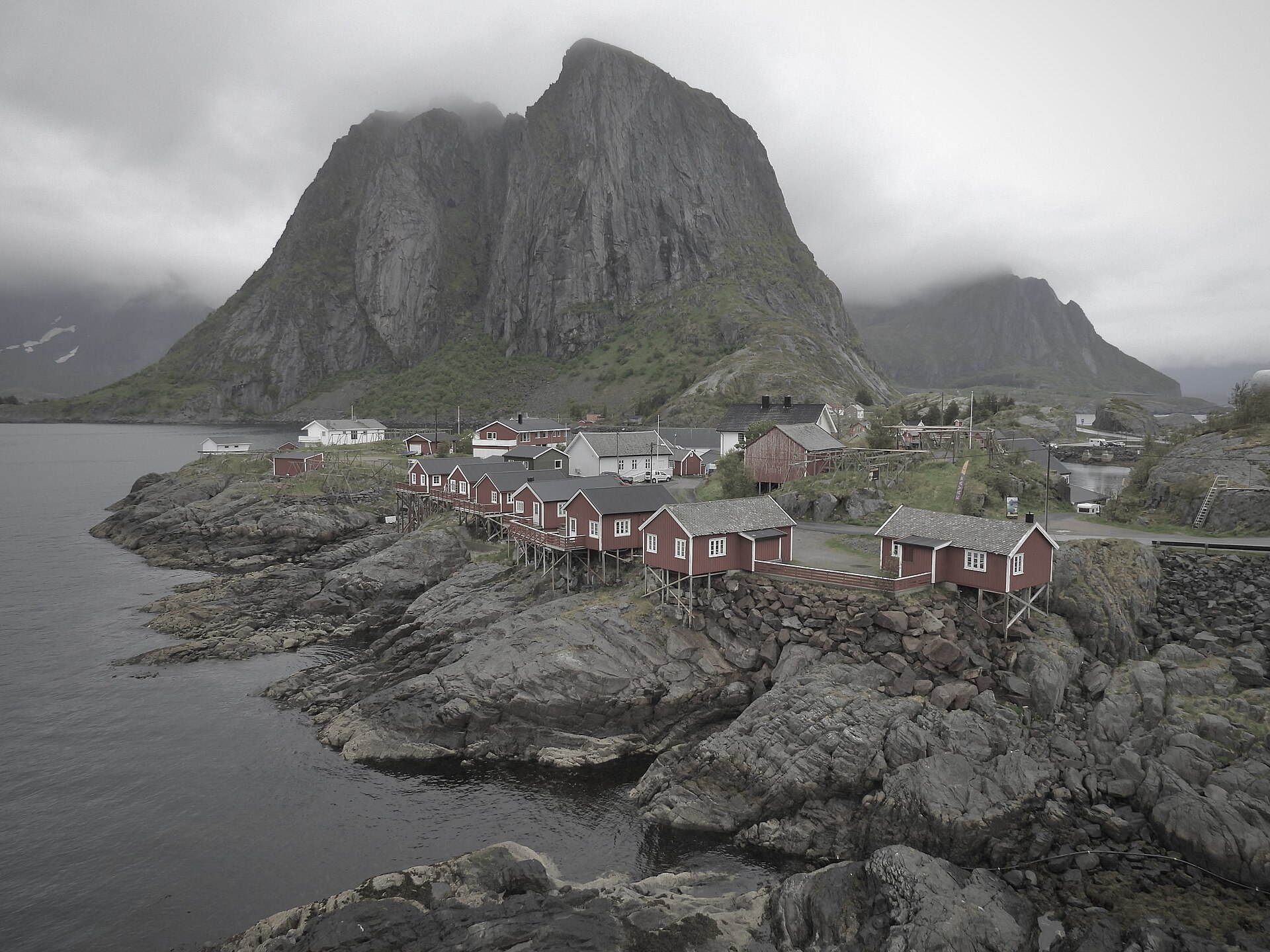
Norway did not set out to build the world’s largest fleet of electric ferries because it wanted a showcase. It did it because the fjord coast is stitched together by hundreds of short car-ferry crossings, the diesel boats that ran them were noisy, dirty and expensive to fuel, and public authorities control most of the contracts. When the tendering rules changed to reward low emissions, the market followed. A decade later, the lessons from those crossings are being copied from the Baltic to the Pacific Northwest, and they are more practical than the headlines suggest.
Why a fjord crossing is the perfect job for a battery
An electric ferry is not an electric car with a hull. The battery does not need to carry the vessel across an ocean; it needs to carry it across a fjord, which on most Norwegian routes means ten to thirty minutes of sailing, a few minutes at the quay, and then the same again in the other direction, all day long. That rhythm is what makes the technology work. The boat never gets far from a plug.
The battery packs on these vessels are typically in the range of one to several megawatt-hours, roughly the capacity of a few dozen large electric cars stacked together. They feed electric motors driving conventional propellers or steerable thrusters, and the whole propulsion chain is simpler than a diesel-mechanical one: fewer moving parts, no gearbox in many designs, and far less vibration.
Charging is the real engineering challenge. A ferry that spends only a few minutes at the quay has to take on energy fast, so the shore side is built around high-power chargers, often rated at a few megawatts, connected through an automatic plug or a mooring arm that also holds the vessel in place. On weak rural grids, the quay itself usually has a battery bank that trickle-charges between departures and then dumps energy into the ferry in a short burst. The grid sees a smooth load; the boat sees a fast one.
What the first years actually looked like
The first all-electric car ferry entered regular service on a Norwegian route in the middle of the last decade, and for a while it was a lonely experiment. Range questions, charger failures and cold-weather doubts were all real. What turned the experiment into a fleet was a policy decision: county authorities began writing zero- or low-emission requirements into ferry tenders, and operators bid with electric or hybrid designs because that was the only way to win.
Within a few years the count went from one vessel to dozens, and the Norwegian fleet of battery or plug-in hybrid ferries is now generally described as numbering in the high tens, serving a large share of the country’s fjord crossings. The exact figure moves every season as older boats are retrofitted and new ones delivered, so treat any single number you read as a snapshot rather than a fact.
The numbers that matter, roughly
- Energy per crossing: a mid-size car ferry on a fifteen-to-twenty-minute route uses on the order of a few hundred kilowatt-hours per one-way trip, depending on load, current and weather. That is why a battery of a couple of megawatt-hours can cover several crossings before it needs a top-up.
- Emissions: Norway’s grid is overwhelmingly hydroelectric, so the operational carbon of an electric ferry there is close to zero. In a country running on coal or gas the reduction is smaller, often somewhere between a third and two-thirds compared with diesel, because the electricity itself carries a footprint.
- Cost: the vessel and the shore chargers cost more up front than a diesel boat, sometimes substantially more, but energy and maintenance costs per year tend to fall by a large fraction. Payback periods quoted by operators usually run somewhere between five and fifteen years, well within a ferry’s working life.
Honest limits
The fjord model does not scale to every route. Once a crossing stretches past an hour or two, the battery needed becomes heavy, expensive and space-hungry, and the fast-charging window at each end no longer covers the energy used. Long coastal and international routes are experimenting with hybrids, hydrogen, ammonia and methanol precisely because pure batteries hit a wall.
Batteries also degrade. A pack that is fast-charged dozens of times a day, every day, will lose capacity over the years and will eventually need replacement, which is a significant cost and a materials question the industry is still working through. Cold reduces available capacity and heat requires active cooling, both of which eat into the energy budget. And the shore infrastructure depends on a grid that can deliver; in remote regions that can mean expensive cable upgrades the ferry operator does not control.
What a traveller can actually check
You do not need a naval engineer to tell whether a ferry is genuinely electric. Stand on the car deck as the boat leaves the quay and listen. A battery vessel is quiet enough that you hear water, wind and the ramp, not a diesel rumble. If there is a deep engine note under everything, it is a hybrid running on fuel or a conventional boat with a green sticker.
Look at the quay. Electric routes have visible charging infrastructure: a tower or arm that swings down to the vessel, thick cables, sometimes a container-sized battery bank behind a fence. Check the vessel for information plaques; many operators post the battery capacity and the route’s energy profile near the passenger lounge. On hybrid routes, ask the crew how often the generators run.
Greenwashing signals to watch for
- “Zero-emission” on a hybrid: a vessel with a diesel generator that runs a meaningful part of the day is not zero-emission, however green the paint job. Ask what share of sailings are fully electric.
- Grid silence: an electric ferry on a fossil-heavy grid is still better than diesel, but the marketing rarely mentions where the electrons come from. The honest version says so.
- One boat, whole-fleet claims: some operators run a single battery vessel and describe their entire operation as electric. Count the boats.
What the rest of the world took from the fjords
The transferable lesson is not that Norway has a lot of water and cheap hydropower, although it does. It is that the buyer of the service changed what it was buying. When the tender said low emissions were worth money, shipyards, battery makers and charger companies found the answers quickly. Denmark, Sweden, Finland, the Netherlands, Canada, New Zealand and parts of the United States are now running or ordering battery ferries on short routes, and almost all of them started with the same procurement logic rather than with a technology bet.
For a traveller, the practical takeaway is simpler: short crossings are one of the few parts of a trip where a low-carbon option can already be the default, not a premium. Where an electric ferry exists, it is usually the cheapest boat to run and the nicest one to ride. That is a rare combination in green technology, and it is worth noticing when you see it.