

I packed a cloth bag inside my rucksack with one job: hold every piece of rubbish I generated for four days in Copenhagen that I could not recycle, compost or return for a deposit. At the end I would weigh it on the kitchen scale at the flat. The point was not to hit zero. It was to find out where the waste comes from when you are trying, in a city that is supposed to make trying easy.
Getting there without a plane
From Hamburg the train takes about four and a half hours, crossing the Great Belt bridge with the sea on both sides. Booked three weeks ahead it was 39 euros; the walk-up fare the day before was over 100. I mention that not to boast but because the arrival matters. You step off at the central station, which is already in the middle of everything, and the first bin you see is split into four streams. The city has decided for you that sorting is normal.
I stayed in a rented room in Vesterbro, about 70 euros a night. Hostel dorms in the city run 30 to 60 euros; a mid-range hotel room is 150 to 250 euros in summer. The room came with a kitchen, which is the single biggest factor in the result at the end of this piece.
Where the rubbish came from
Day one, the first item in the bag was a paper coffee cup lined with plastic. I had my own cup in the rucksack and forgot it. That cup is about 12 grams and it annoyed me for the rest of the trip.
Food was easier than I expected. Copenhagen has an old market hall near the lakes with fishmongers, bakers and greengrocers who will put things in your own container without a raised eyebrow. A loaf of rye, a wedge of cheese and a bag of apples cost me about 14 euros and generated nothing but a paper band. Supermarkets were harder. Almost everything is wrapped, and the organic shelf is wrapped in slightly nicer plastic. I bought loose vegetables and dried goods where I could.
Drinks were a near-total win because of the deposit system. Every bottle and can carries a pant mark and a refund of one to three kroner, redeemed at a machine in any supermarket. The city also has public fountains, and the tap water is good enough that ordering bottled water in a restaurant feels slightly absurd. Over four days I returned nine containers and put none in the bag.
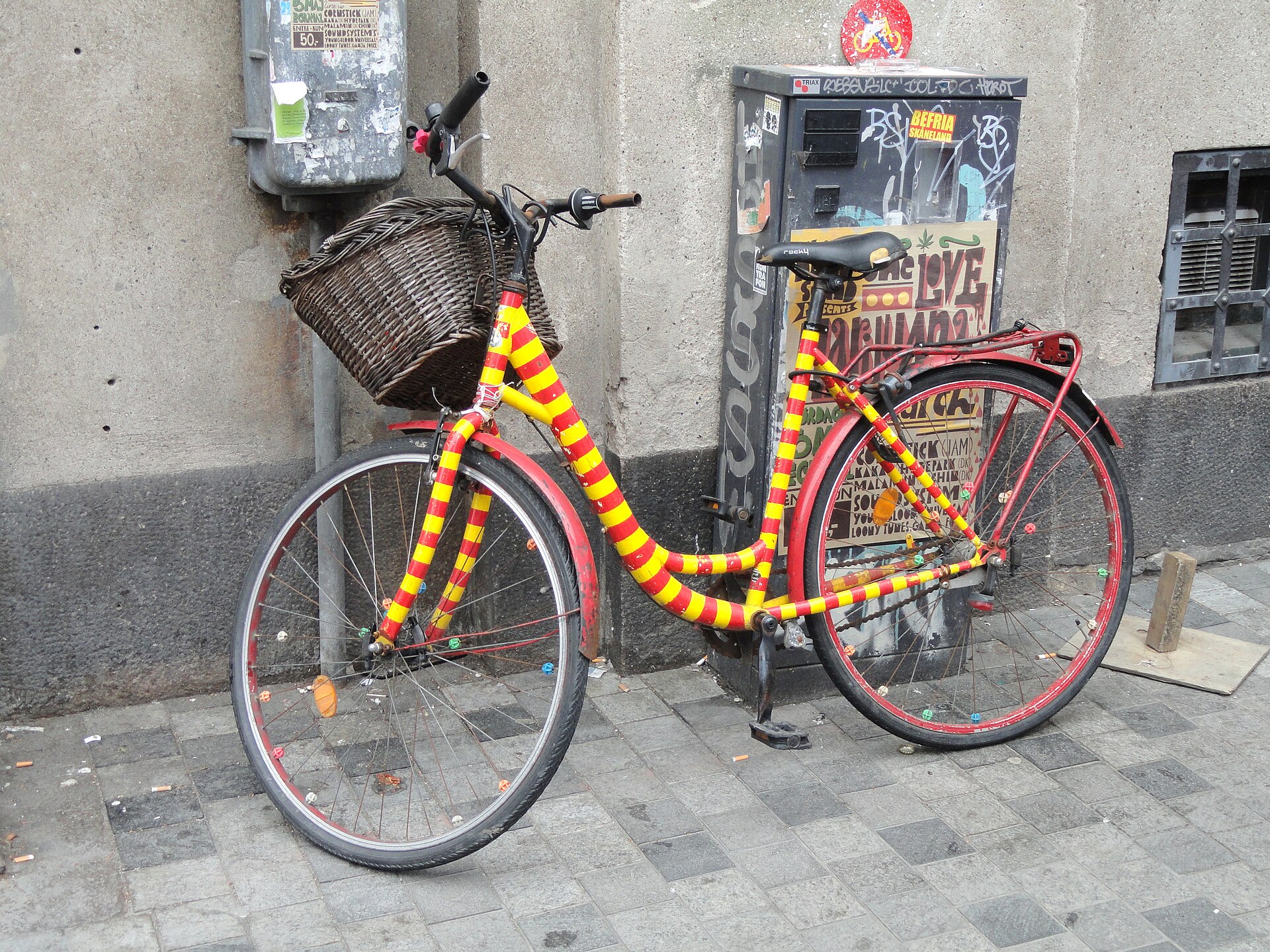
Getting around cost nothing in waste. A rental bike was 15 euros a day from a shop, less by the week, and Copenhagen is the rare city where a visitor on a bike is not a hazard to themselves. The harbour bus, included in a transport pass at about 12 euros a day, runs on batteries now. I swam at the harbour baths at Islands Brygge on the second afternoon, in water clean enough to drink, which twenty years ago it was not.
The visit that complicated things
On the third day I cycled out to the waste-to-energy plant on Amager, the one with the ski slope on the roof. It is a striking piece of infrastructure, and it burns the city’s residual waste to make heat and power for tens of thousands of homes. Standing on the slope in a light drizzle, I had a thought I could not shake: a city that burns its rubbish cleanly has less reason to make less of it. Denmark has one of the highest municipal waste generation rates per person in Europe, and it also has one of the highest recycling and recovery rates. Both things are true. The plant was, I later read, built with more capacity than the city produces, and has imported waste to fill it.
Copenhagen also publicly acknowledged in 2022 that it would miss its own 2025 carbon-neutral target. I do not raise that to be smug. I raise it because the city’s reputation runs ahead of its results, and a visitor sorting a yoghurt pot into the right bin is participating in the reputation more than the result.
Weighing the bag
On the last evening the cloth bag went on the scale. It held: one coffee cup, one plastic film from a packet of oats, two bread bags I could not recycle because they had a plastic window, a receipt, a broken bike-light bracket, three fruit stickers and a foil lid. Total: 96 grams. The recycling I had separated over four days weighed about 400 grams, mostly paper and one glass jar.
The number is small and I want to be careful with it. It does not include the towels the room laundered, the packaging behind the market counter, or the takeaway container from the one meal I bought on the way to the station, which I ate in the station and disposed of in the station. The bag measured what I touched. What I did not touch was larger and out of sight. That is the honest limit of the exercise.
Practical takeaways
- Book a room with a kitchen. Cooking two meals a day from a market cut my waste more than any single habit; expect 60 to 90 euros a night for a private room with one.
- Use the pant machines. Deposits of one to three kroner add up, and the machines are in every supermarket; keep containers in a side pocket.
- Carry a cup, a container and a fork on day one. My only real failure was forgetting them for the first coffee.
- Rent a bike from a shop, not an app. Around 15 euros a day, no phone battery drama, and you can lock it at the harbour baths.
- Visit the market hall for staples, supermarkets only for what you cannot get loose. Copenhagen supermarkets are as plastic-heavy as anywhere.
What 96 grams is worth
Four days, 96 grams in the bag. It proves that a visitor can generate very little visible waste in Copenhagen with modest effort, and that the city’s systems, deposit machines, tap water, bins that are already sorted, do most of the work. It does not prove the trip was low-impact, and the train fare, the kitchen and the bike mattered more than the sorting. I left with a lighter bag than I arrived with, a small pride in that, and a healthier suspicion of the word zero.