

The reserve is marked by four white buoys and a hand-painted sign on the jetty. There is no ranger station, no ministry logo, no gate. The people who decided this stretch of reef would be closed to fishing are the people who used to fish it, and they still live fifty metres from the water. I spent five days in a fishing village on a Southeast Asian coast learning how that happened, and I am leaving names out on purpose, because the village asked me to and because the story does not need them.
How it started
The version I heard first, from a man who now runs the village’s small boat cooperative, was simple. Around fifteen years ago the catch collapsed. Blast fishing by outsiders, a few years of bleaching, and the village’s own increased effort as fish got scarcer had turned the house reef into rubble and sand. Boats were going further and coming back with less. Something had to change and the government was three hours away by road and not interested.
The second version, from a woman who keeps the reserve’s logbook, was more complicated. A conservation organisation had been working along the coast and offered training, a few thousand dollars for buoys and a boat, and a template for a locally managed marine area. The village adopted it. She was clear that the idea of closing an area was not new; older people remembered seasonal closures from before motorboats. But the paperwork, the mapping and the first patrols came with outside help, and the village did not pretend otherwise.
The rules were set at a village meeting and are still enforced by it. About 40 hectares of reef and seagrass are closed to all fishing. A larger zone around it allows hook and line only. Anyone caught inside the closed zone, villager or outsider, pays a fine set by the village and loses their gear for a month. Two men patrol by boat most days. Their fuel is paid for by a small fund.
Where the fund comes from
This is where I come in, and where I started paying attention to my own role. Visitors pay a reserve fee of roughly 3 US dollars per day, collected at the jetty and written in the logbook. Snorkelling trips to the closed zone, with a village boat and a guide, cost 20 to 35 dollars for a half day depending on how many people share the boat. Homestays in the village are 15 to 25 dollars a night including breakfast and dinner, with a mattress, a fan that works until the generator goes off at ten, and a bucket bathroom.
The fee income is not large. The logbook showed a few hundred visitors a year, which after fuel, buoy replacement and a small allowance for the patrol crew leaves a modest surplus. What has changed the economics more, the cooperative man told me, is the spillover. Fish inside the closed zone have grown larger and more numerous, and they do not respect buoys. Catches on the edge of the reserve, in the hook-and-line zone, are up. He did not have precise numbers. He had the fact that his son now fishes for a living, which five years ago would not have been possible.
What the reef looked like
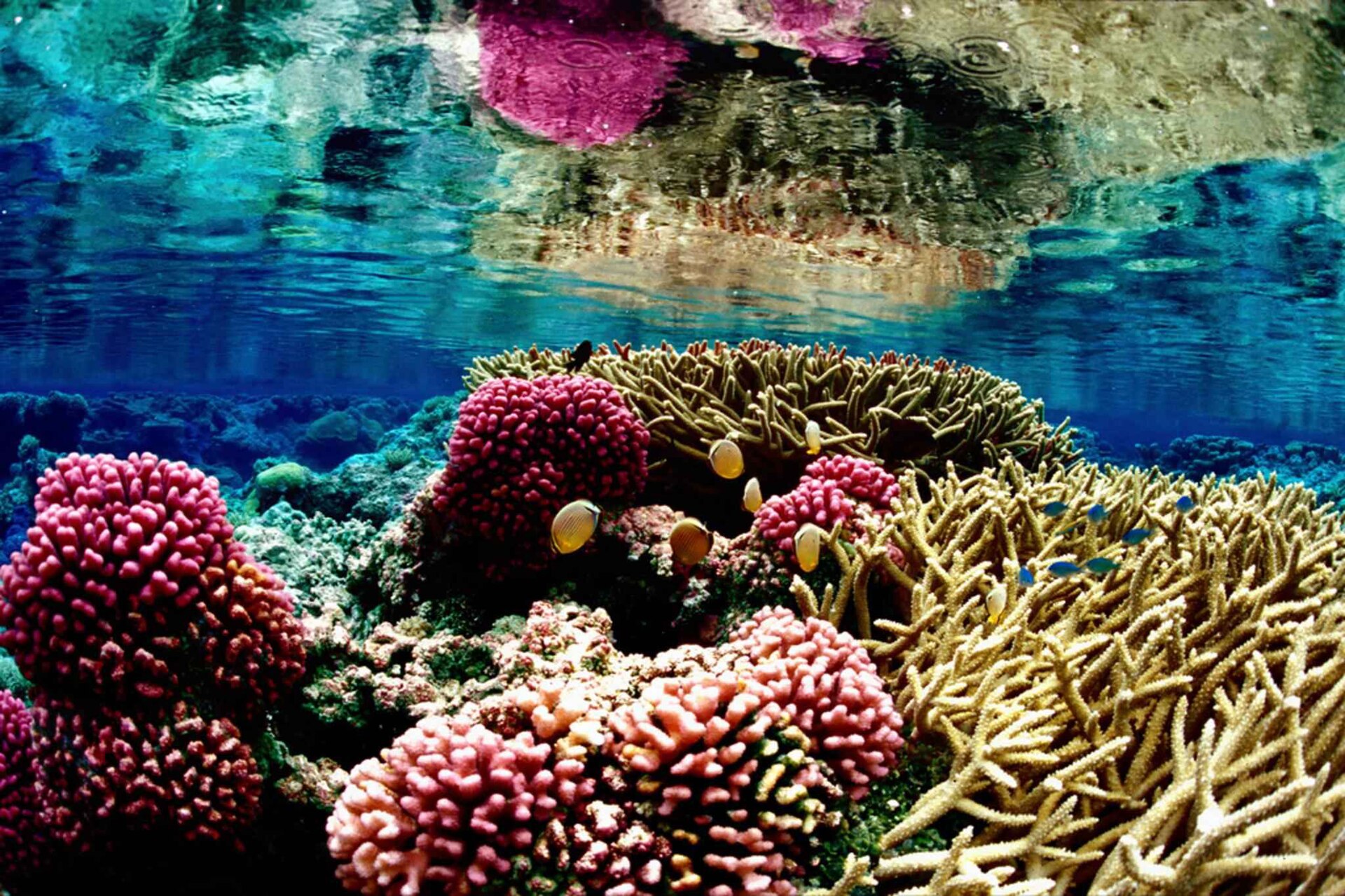
I went out on the third morning with one of the patrol men. The water inside the buoys is the kind of clear that makes you check your mask for fog. Branching coral has come back on the rubble in patches, not everywhere. Parrotfish the length of my forearm, which I had not seen anywhere else on that coast. A turtle, grazing the seagrass, unbothered by us. Outside the buoys, a hundred metres away, the reef is still thinner, and the contrast is the most persuasive argument for the reserve that anyone could make.
In the evening the village generator ran from six to ten. Then dark, the sound of the tide on the coral gravel, and a lot of stars. It is easy to romanticise this. The homestay family had a phone that needed charging and a child with homework, and the generator going off was not a lifestyle choice for them.
The doubts I brought home
The first doubt is about who bears the cost. A closed zone is closed to everyone, but not everyone had the same options when it shut. Families with bigger boats could fish further out. Families with a canoe and a hand line lost their nearest ground. The village has a system of sharing some tourism income with those households, but it is informal, and one woman told me her family had not seen it. I could not verify that either way.
The second doubt is about me. Every visitor who pays 3 dollars at the jetty nudges the village towards an economy where the reef is worth more as a thing to look at than a thing to fish. That may be sustainable. It may also mean that if visitors stop coming, the incentive to keep the buoys in place goes with them. The reserve was made by the village, but its budget is now partly made by people like me, and I am not sure that is what the older villagers remembering seasonal closures had in mind.
The third is smaller. The conservation organisation’s role has faded from the story the village tells. I understand why. But if the model gets copied as a purely home-grown miracle, the next village that tries it without training, seed money and a template may fail and blame itself.
Practical takeaways
- Pay the fee at the jetty and ask to see the logbook. A reserve that keeps records is one that can defend itself when someone questions it.
- Stay in a homestay rather than a resort along the coast. 15 to 25 dollars a night keeps the money inside the village that is paying the patrol costs.
- Book the boat through the cooperative, not a hotel. Expect 20 to 35 dollars a half day; the guide will be someone who used to fish the zone you are looking at.
- Do not touch, stand on or chase anything. Obvious, but the reef inside the buoys is fifteen years of restraint and one fin kick undoes a decade of a coral head.
- Bring cash in small notes and a power bank. There is no card machine and the generator stops at ten.
Four buoys and a sign
What stays with me is not the turtle. It is the meeting hall, a concrete room with a whiteboard, where the rules were written and where they are still argued about. A marine reserve made by a village is not a finished thing. It is a decision that has to be re-made every year by people who could choose otherwise. My 3 dollars a day helps a little and complicates a little. I would go back, pay it again, and keep my mouth shut about where.