
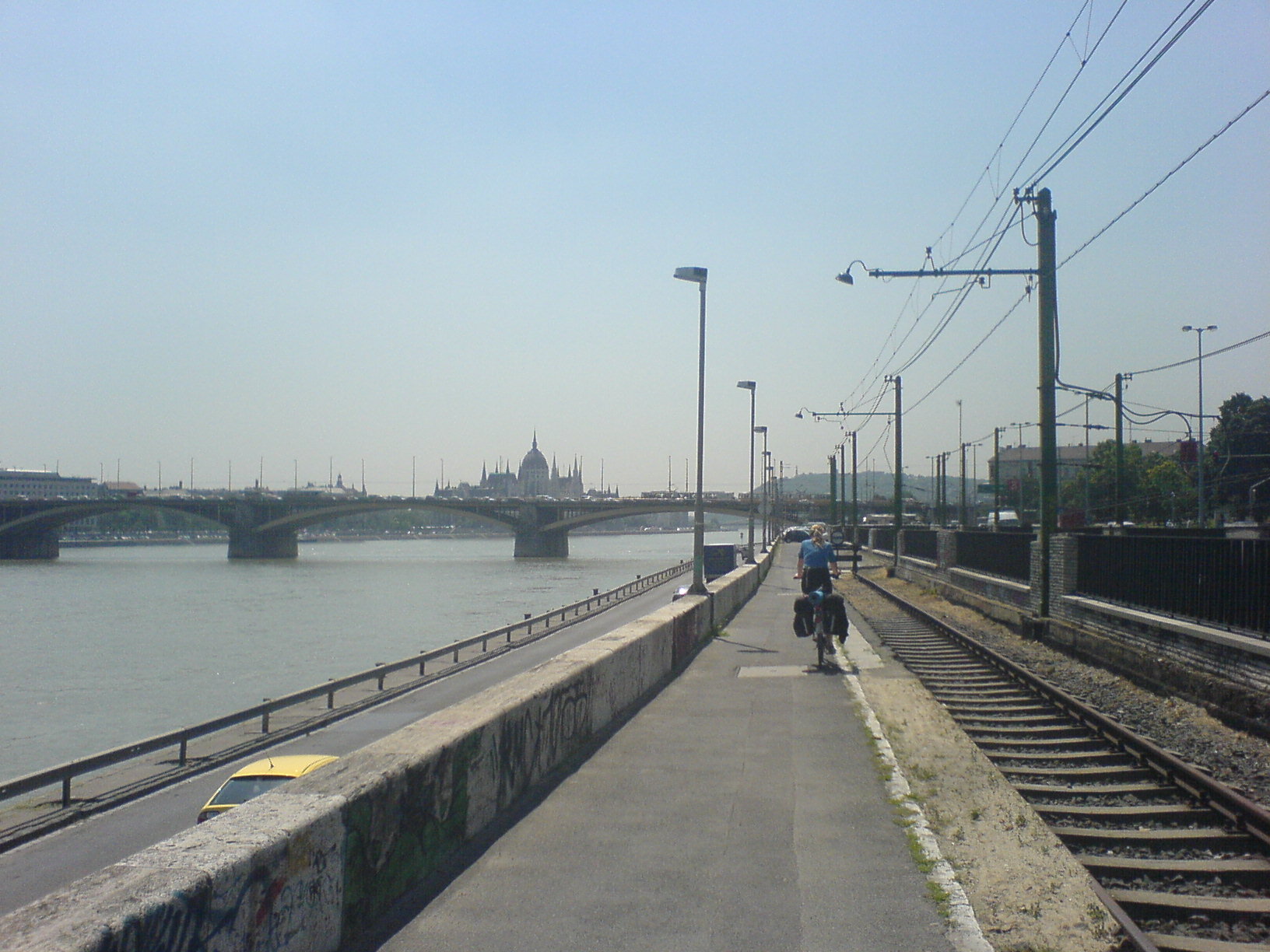
The stretch of the Danube cycle path between Passau, on the German-Austrian border, and Vienna is probably the most-ridden long-distance bike route in Europe, and there is a reason for that beyond the marketing. It is flat, it is almost entirely on dedicated paths or quiet roads, it passes through wine terraces, monasteries and small towns that have been feeding travellers for centuries, and the river does the navigation for you. It is also easy to do badly: overbooked in July, ridden too fast, and treated as a race between hotels. This is a plan for a low-impact week that leaves room for the places in between.
The route in outline
Passau to Vienna is around 320 kilometres following the river. The path runs on both banks for most of the distance, with small ferries connecting them; choosing a bank is one of the pleasures of the route, and the signage is good enough that getting lost takes effort. The classic sections are the wooded gorge below Passau, the great loop of the river at Schloegen, the city of Linz, the Strudengau narrows, the Wachau valley with its terraced vineyards and apricot orchards between Melk and Krems, and the flat approach to Vienna through the Tullnerfeld.
Six riding days at 45 to 65 kilometres each is a comfortable pace that leaves afternoons for a swim, a monastery or a wine tavern. Fit cyclists do it in four; that is not the point of this article.
- Day 1, Passau to Schloegen or Aschach, 40 to 55 km. The gorge section, forested and quiet, ending at the bend where the Danube turns almost back on itself.
- Day 2, to Linz, around 45 km. Farmland and villages, then a mid-sized city with good food, a working port and an arts quarter that repays an evening.
- Day 3, Linz to Grein, around 60 km. Across the wide plain and into the Strudengau, once a feared stretch of rapids, now a tidy river valley with a small baroque town at the end.
- Day 4, Grein to Melk, around 50 km. Quiet villages and the first sight of the abbey on its rock above the river.
- Day 5, Melk to Krems, around 40 km. The Wachau. Short on purpose: every village between Melk and Krems has a reason to stop.
- Day 6, Krems to Vienna, around 80 km, or shorter by train. Flat, faster and less scenic. Many riders take the train from Tulln for the last stretch and spend the time in Vienna instead.
Getting there and back without a car
This is a route that works as a loop by public transport. Passau is on the rail line between Munich and Vienna, and trains from Vienna back to Passau take about three hours. Both the Austrian and German railways carry bikes on regional and many long-distance trains with a reservation; book the bike space at the same time as your seat, because it sells out in summer. If you rent in Passau, most rental businesses offer one-way hire with drop-off in Vienna for a fee, which removes the train logistics entirely.
From further afield, arriving in Vienna or Munich by night train and connecting onwards is straightforward and keeps the whole trip off aircraft.
What it costs
- Bike rental for a week: around 90 to 180 euros for a solid touring bike with panniers; electric bikes 200 to 350. One-way drop-off fees are typically 30 to 60 euros.
- Accommodation: cyclist-friendly guesthouses and small hotels along the route run around 60 to 130 euros for a double with breakfast; farm stays and private rooms are cheaper. The Wachau is the expensive stretch and books out first.
- Food: a wine tavern meal with a glass of local white costs around 15 to 30 euros; picnic supplies from village shops are cheap and good.
- Luggage transfer: optional, around 15 to 25 euros per bag per stage, offered by several logistics services. Carrying your own is lighter on the wallet, and a bike with panniers is perfectly manageable on flat terrain.
A self-organised week, including rental, rooms and food, comes to around 600 to 1,000 euros per person. Packaged tours with pre-booked hotels and luggage transfer run 800 to 1,500. The package removes the phone calls; it also tends to funnel riders into the same hotels on the same nights.
Keeping the impact low
A bike trip is already about as low-impact as travel gets, but there are a few choices that make a difference on a route this busy.
- Season. Late April to mid-June and September to early October: the paths are quieter, the beds cheaper, and the Wachau is either in blossom or in harvest. High summer is hot on the exposed stretches and crowded everywhere.
- Stay in the small places. The route’s economy depends on family guesthouses and taverns in villages that have little else. Booking directly rather than through a platform keeps the commission in the village.
- Ferries over bridges. The small cross-river ferries are part of the route’s character, and many are run by local families or municipalities; using them keeps them running.
- Water. Village fountains and taverns will fill a bottle; there is no reason to buy plastic.
- Nature reserves. The floodplain forests east of Vienna and stretches of the Wachau are protected. Stay on the path, keep dogs on the lead, and do not camp wild in the reserves.
Common mistakes
The first is under-booking the Wachau in summer and finding every room taken. The second is over-planning distance: 80-kilometre days on a heavy bike in heat turn a holiday into a task. The third is ignoring the wind, which on the open sections between Linz and Melk can blow upriver hard enough to double your effort; check the forecast and swap banks for shelter. The fourth is skipping the train for the final flat stretch out of pride and arriving in Vienna too tired to enjoy it.
A quieter mistake is riding past the abbeys and wine terraces because the daily target is not yet met. The whole reason for choosing this route over a faster one is what lies alongside it.
Is it worth it
For a first long bike tour, or a first slow-travel week without a car, the Passau to Vienna Danube is close to ideal: safe, flat, well-fed, and easy to reach by train from most of central Europe. Ride it in the shoulder season, book the small places directly, and give the Wachau a full day. The river will take care of the rest.
Read next: Best Ways to Support Eco-Tourism Without Greenwashing Your Trip