
The tiny shampoo bottle is on its way out, and not entirely for noble reasons. Several jurisdictions have restricted or banned single-use toiletry miniatures in hotels, large chains have committed to phase them out, and the economics of buying, stocking and disposing of millions of small bottles never made sense anyway. What replaces them is a mix of refillable dispensers, water stations, bulk supply and policy, and the details of how it is done make the difference between a real reduction and a change of packaging.
Why the little bottles mattered
A mid-size hotel that offers three or four miniatures per room per stay generates on the order of tens of thousands of small plastic containers a year, most of them discarded half full. Multiply by the number of hotels in a city and the number is large enough to matter, though it is still a small fraction of the plastic a hotel uses across its kitchens, bars, deliveries and back-of-house. The miniatures were a target partly because they were visible: every guest handled them, every guest could see the waste. Removing them is a genuine saving and an effective piece of communication. It is also the easy part.
How refillable dispensers actually work
The standard replacement is a wall-mounted or shelf dispenser in the shower, refilled from bulk containers by housekeeping. The variations matter more than they look. Some systems use sealed cartridges that are swapped when empty; these are hygienic and easy for staff, but the cartridge itself is plastic and is usually not refilled by the hotel, so the saving depends on the supplier taking them back. Others use open reservoirs that housekeeping tops up from a large drum; these cut plastic further but require cleaning routines to prevent contamination, and a neglected reservoir is worse than a sealed bottle.
The bulk supply behind the dispenser is where the real reduction happens. A hotel buying shampoo in twenty-litre containers that go back to the supplier for refilling has nearly eliminated the packaging. A hotel buying it in five-litre containers that go in the bin has reduced the plastic per litre substantially but not eliminated it. Ask where the drum goes when it is empty; the answer tells you which kind of hotel you are in.
Water: the biggest bottle in the room
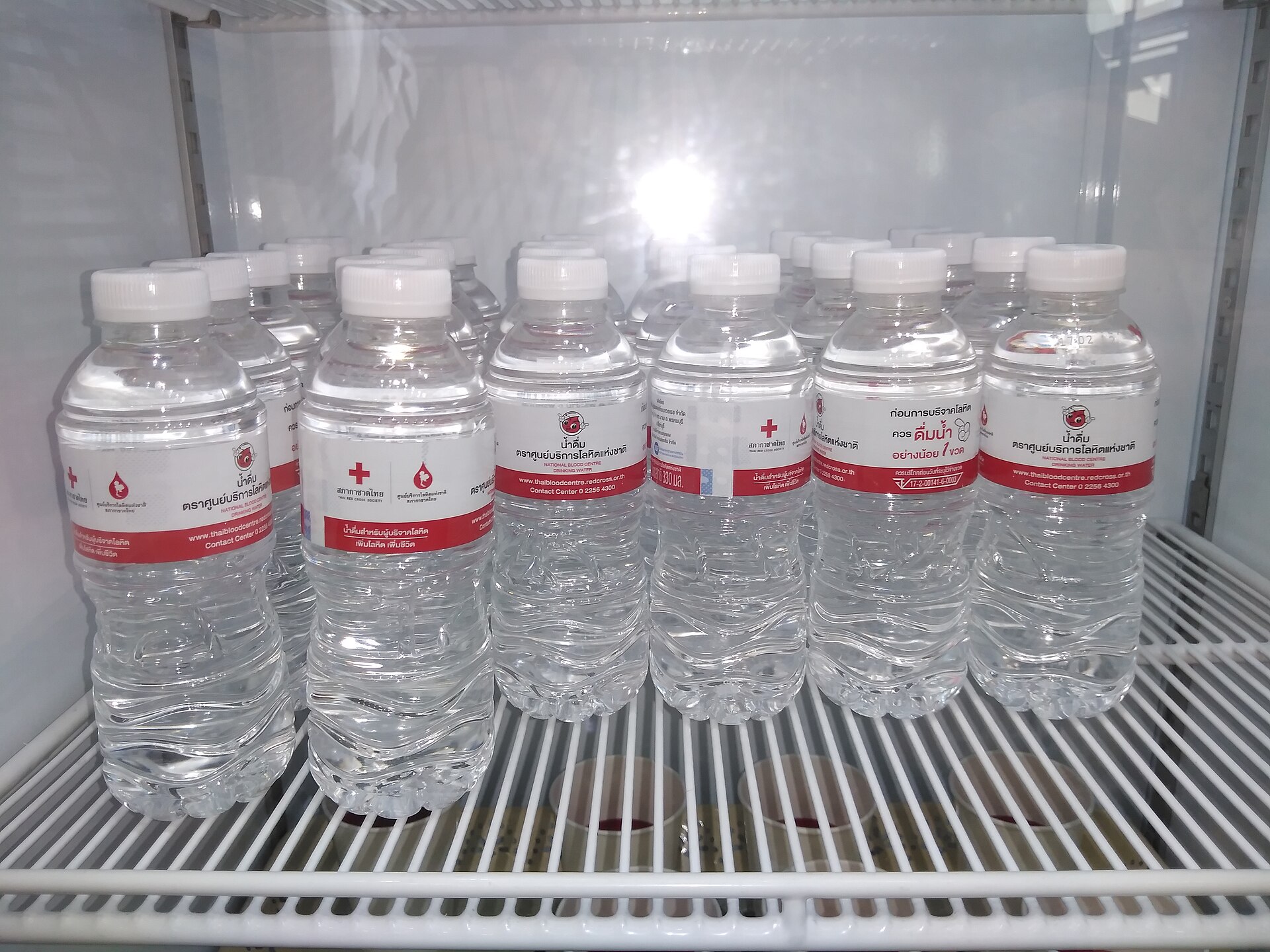
If the toiletry miniature is the symbol, the plastic water bottle is the volume. A hotel that puts two bottles in each room each day, and sells more in the minibar, restaurant and gym, generates far more plastic than its shampoo ever did. The replacement is a filtered refill station on each floor or in the lobby, glass or reusable bottles in the rooms, and in the best cases a filtration system on the building supply so that every tap is safe to drink from.
The filtration is usually simple: activated carbon for taste and chlorine, sometimes a fine filter or ultraviolet stage for reassurance, and a chiller. Where the municipal water is already good, the system is more about confidence than chemistry. Where it is not, in many popular destinations, a well-maintained multi-stage filter is a genuine service and a genuine saving, and a hotel that offers it deserves credit. The trade-off is maintenance: filters need changing on schedule, and a station with an expired cartridge is a liability. Look for a service tag with a date.
The rest of the plastic
- Back of house: food deliveries, cling film, bin liners, individually wrapped portions, single-use gloves. This is typically the largest plastic stream in a hotel and the least visible.
- Room amenities: wrapped cups, slippers in bags, toothbrush kits, laundry bags, key cards. Each is small; together they add up.
- Food and beverage: straws, stirrers, takeaway containers, portion packs of butter and jam, sachets of sugar.
A hotel that has removed the miniatures and kept everything else has addressed perhaps a tenth of its plastic. A hotel that has audited all four streams, switched to bulk and reusable alternatives and set up separated recycling with a contractor who actually processes it has done something substantial. The two can look identical from the bathroom.
Honest limits and trade-offs
Plastic-free is a direction, not a destination. Hygiene rules push toward sealed and single-use items in some contexts, and some guests prefer them. Paper and compostable packaging is only better if there is a composting stream to receive it; in a general bin it behaves much like plastic. Bulk dispensers reduce packaging but can increase product waste if guests use more from a pump than they would from a bottle. And a refill station only saves plastic if guests use it, which means the hotel has to communicate, provide reusable bottles and make the station easy to find.
Recycling is the weakest link. Many destinations lack reliable plastic recycling, and a hotel’s sorted bins may end up in the same landfill or incinerator as everything else. Reduction and reuse are the levers that work everywhere; recycling is the one that only works where the infrastructure exists. A hotel that talks mainly about recycling is usually a hotel that has not done the harder work of not buying the plastic in the first place.
What you can check on site
In the bathroom, look at the dispenser type and whether it is clean and full. In the room, look for a reusable water bottle or glass carafe and check whether the minibar still stocks plastic. On the corridor or in the lobby, find the refill station and read the service tag. At breakfast, look at the butter, jam, yoghurt and juice. Portion packs are the tell. Ask housekeeping or the front desk where the bulk containers come from and whether they go back. The answer “we recycle them” is fine; the answer “the supplier collects and refills them” is better; the answer “I do not know” means nobody has been trained.
Look at the bins. A property serious about waste has separated bins in public areas, in rooms and in the kitchen, with clear labelling, and its staff can tell you which contractor takes each stream. A single bin with a green logo on it tells you the opposite.
Greenwashing signals
- “Plastic-free” meaning “no miniatures”: the most common overclaim in the sector.
- Bamboo or paper amenities in plastic wrap: the material changed; the packaging did not.
- Recycling stories with no reduction figures: ask how much plastic the hotel buys per year and whether the number is going down.
The point of the tiny bottle
The miniature was never the biggest problem. It was the most visible one, and its disappearance is a useful signal that a hotel has at least started. What matters is whether the same thinking reached the loading dock, the kitchen and the contract with the waste hauler. You cannot see all of that as a guest, but you can see enough. Hotels that have done the work tend to be specific and slightly proud; hotels that have not tend to be vague and slightly defensive. Trust the specific ones.