

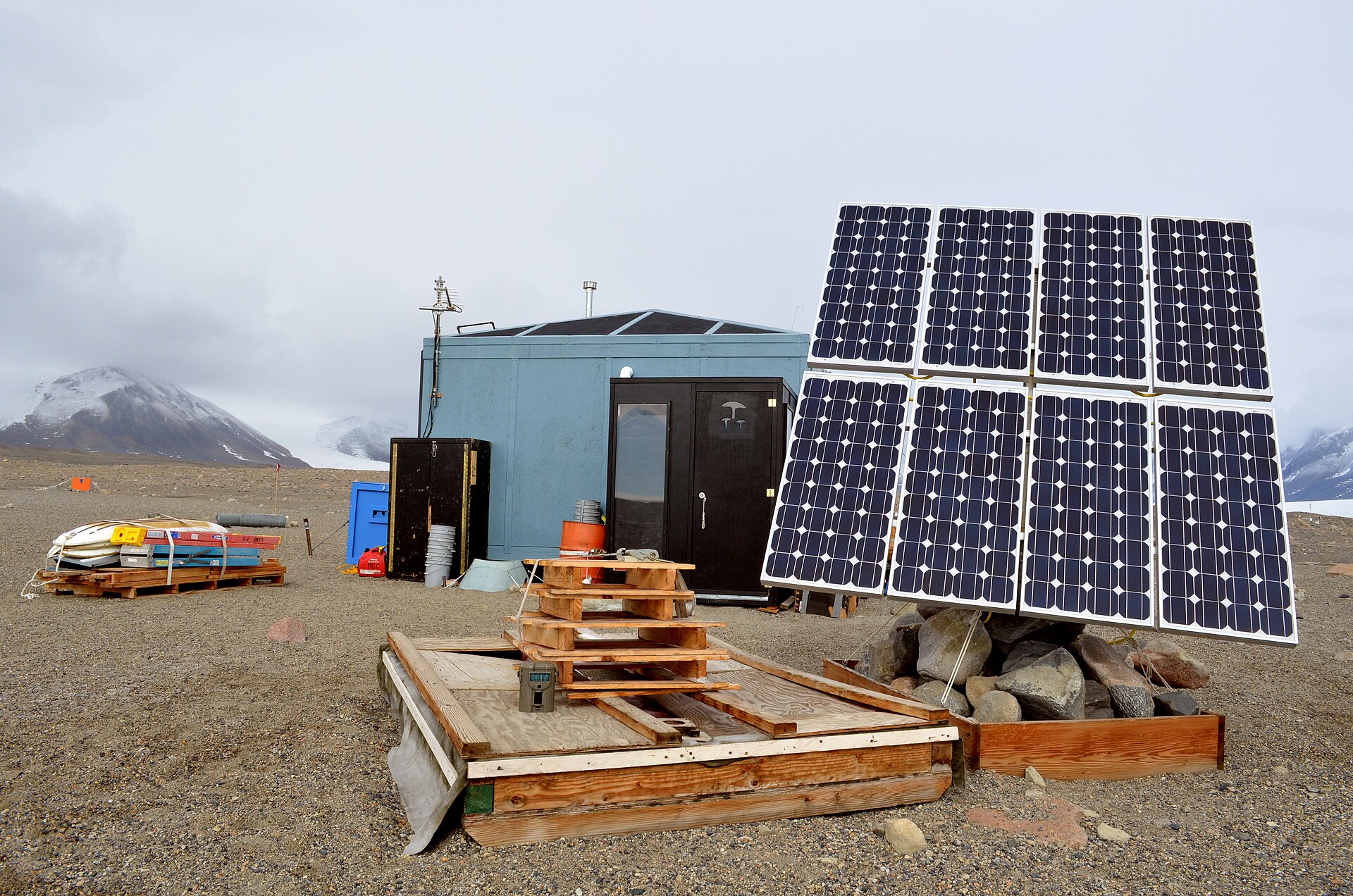
A safari camp is, from an engineer’s point of view, a small village with expensive expectations. It needs cold drinks, hot showers, charged camera batteries, working radios, a kitchen that can feed forty people and, increasingly, wifi fast enough for guests to upload lion photos before dinner. For decades the answer was a diesel generator humming behind a screen of bushes. Solar has changed that, and the change is more interesting than the brochures let on.
How an off-grid camp is actually wired
The core of a solar camp is a simple loop. Panels on a frame or a roof convert sunlight to direct current. A charge controller manages that current into a battery bank, which stores energy for the night. An inverter turns the stored direct current into the alternating current that fridges, pumps and lights expect. A small control system decides when to pull from the sun, when to pull from the batteries and, on most camps, when to start the backup generator that nobody likes to talk about.
Sizes vary enormously with the ambitions of the camp. A small mobile camp of six tents might run on a few kilowatts of panels and a battery bank of a few tens of kilowatt-hours. A permanent lodge with twenty rooms, a pool pump, laundry and staff housing can need panels in the range of fifty to a few hundred kilowatts and storage measured in the hundreds of kilowatt-hours. Those are rough orders of magnitude; the number that matters is not the panel count but the ratio between what the camp uses and what it can store overnight.
Where the energy actually goes
Ask a camp manager what eats their power and the answer is rarely the lights. Lighting on a modern camp is LED and almost free. The real loads are thermal and mechanical: refrigeration and cold rooms, water pumping from a borehole, hot water for showers, air conditioning where it is offered, and the kitchen. A single walk-in cold room running through a hot afternoon can draw more than every tent light combined.
This is why the well-designed camps attack the loads before they add panels. Solar thermal collectors heat water directly without touching the batteries. Gas or biogas handles cooking. Fridges are chosen for insulation rather than price. Water is pumped up to a header tank at midday when the panels produce more than the camp can use, then flows by gravity all night. Tents are oriented and shaded so that fans, not compressors, keep guests comfortable. The best camps use less energy than a conventional one because they had to, and that discipline is a bigger part of their footprint than the panels.
The generator question
Almost every solar camp keeps a diesel or petrol generator. The honest ones will tell you when it runs. Typical reasons are a run of cloudy days in the wet season, a laundry backlog after a full-house turnover, a battery bank that is ageing and no longer holds what it did, or a piece of equipment added after the system was designed. A camp that says the generator never runs either has heroic overcapacity, an unusual climate or a marketing department.
What separates a genuine solar camp from a diesel camp with panels on the roof is the share. If the sun covers something in the range of eighty to ninety-five percent of annual energy and the generator fills the gaps, that is a real off-grid solar operation. If the generator runs every evening from dusk until the guests go to bed, the panels are decoration.
What it costs and what it saves
- Capital: a full solar and storage system for a mid-size lodge is a serious investment, often comparable to building several new guest tents. Panel prices have fallen steadily; batteries and inverters are now the larger share of the bill.
- Fuel avoided: a remote camp running on diesel can burn tens of thousands of litres a year, and every litre has to be trucked or flown in over bad roads. The fuel cost plus the logistics cost is what makes solar pay back, usually within a handful of years in sunny regions.
- Maintenance: panels need cleaning, especially in dust; batteries need monitoring and eventual replacement; inverters fail. A camp with nobody on staff who understands the system will drift back to the generator the first time something trips.
Honest limits
Solar does not solve water, waste or the aircraft that brought you there. The flight into a remote strip usually dwarfs the camp’s entire annual energy footprint per guest, and no amount of panels changes that arithmetic. Solar also does not fix a camp built in the wrong place, drawing down a borehole faster than the aquifer refills.
The technology has its own materials trail. Panels, lithium cells and electronics are manufactured far from the savannah and will need to be disposed of at end of life in countries that often lack recycling facilities. Responsible operators plan for this; most do not yet. Wet-season performance is a real constraint in equatorial regions, and a camp that quotes only its dry-season solar share is telling half the story.
What you can check on site
Walk around the back of the camp. You will find the panels, the battery room and the generator, and the state of each tells a story. Clean panels with a monitoring screen showing live production suggest someone cares. A generator with a full fuel tank, fresh exhaust stains and a running-hours meter that climbs every day tells a different one. Ask to see the system; good camps are proud of it and will show you the display that reports state of charge and daily solar yield.
Listen at dusk. The hour after sunset is when batteries take over, and it is when a weak system starts the generator. Notice whether hot water is solar-thermal (a tank on a frame with dark tubes or panels) or electric. Ask how many staff can maintain the system and where the nearest spare parts are. And ask about the wet season, which is the question the brochure never answers.
Greenwashing signals
- “100% solar” with no mention of storage or backup: every serious off-grid system has both. Silence usually means the number is aspirational.
- Panels in the photos, air conditioning in every room: possible, but only with a very large system. Ask what happens at three in the afternoon in the hottest month.
- Carbon-neutral claims that lean on offsets: a camp that flies guests in and buys credits is not neutral; it is offsetting, which is a different and weaker claim.
Why it matters beyond the camp
For a traveller, the honest takeaway is to weigh the whole trip. The camp’s energy is the easy part to get right and most good operators have. The flights, the water and the local jobs are where the harder questions live, and a camp that talks openly about all four is worth more than one that only shows you the panels.